“There’s a certain irony in being called the future while being overlooked in the present.”
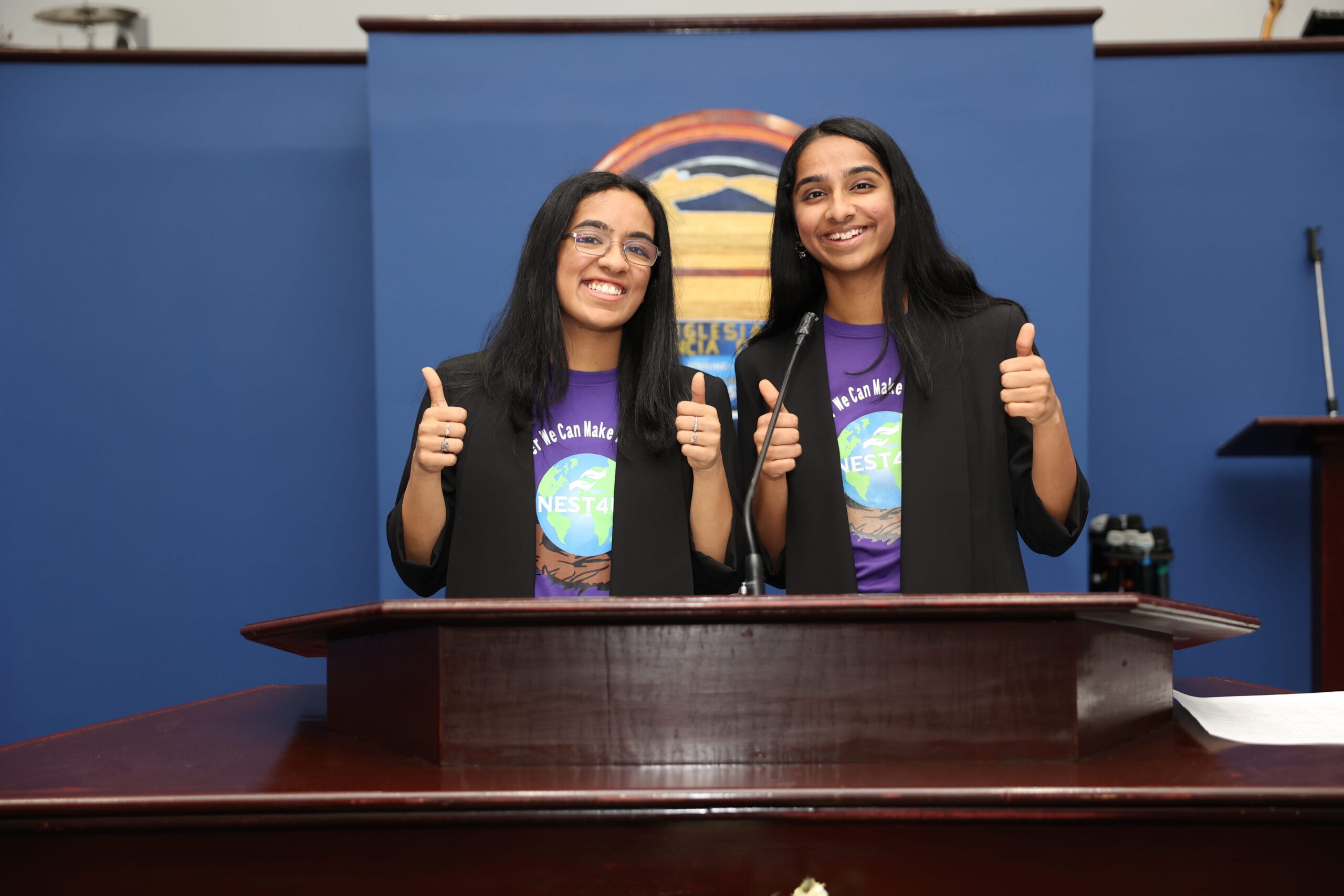
When Esha and I started NEST4US, we were two young people with a simple goal: kindness should be built into the way communities operate, rather than treated as an occasional act of charity. We believed that service could be practical, accessible, and woven into everyday life as something people could participate in not only when a crisis made the need visible, but whenever they saw an opportunity to support one another.
We came into this work as sisters who’d spent years volunteering alongside our family, learning that service could be as simple as packing sandwiches, writing a note, reading with a child, or giving a few hours to a local community event. As we continued volunteering, we kept noticing the same gap: many people, especially young people, wanted to serve but didn’t know where to start, couldn’t find an opportunity that fit their schedule or interests, or assumed they needed special expertise before they could be useful.
And NEST4US was our response to these gaps.
And while we were excited by the opportunity to build something together, what we didn’t anticipate was how often our age would become the first thing people noticed, and sometimes the reason people stopped listening before they’d engaged with the work itself.
We were often met with an unspoken set of questions about what young people could really be trusted to do.
Could someone our age really lead?
Could we understand the complexity of the work?
Were we simply being too idealistic?
Those labels were rarely thoughtful feedback on our ideas, our preparation, or the value of our work. More often, they were shortcuts—assumptions that determined what we were capable of before we had been given a meaningful opportunity to demonstrate it. They reflected a familiar pattern in which young people are encouraged to care about their communities, but aren’t always trusted to help shape the solutions.
Over the past decade, NEST4US has grown into a people-powered nonprofit that mobilizes volunteers & partners, distributes essential resources, and provides a wide range of service opportunities that make it easier for people of all ages and backgrounds to take meaningful action in their communities.
That growth didn’t happen because young people somehow became more worthy of being heard with age.
It happened because community members, partners, and volunteers saw the work, recognized its value, and chose to build alongside us. Their trust made it possible to move ideas into action and to develop programs that meet immediate needs while strengthening community-wide relationships.
Yet this experience is not unique to us. Young people are often praised for their potential while being excluded from meaningful decision-making in the present. They may be invited into the room, but not into the conversation; asked to share their perspectives, but not trusted with the responsibility, resources, or influence needed to turn those perspectives into action. In many spaces, youth participation is treated as a symbol of inclusion rather than a serious commitment to shared leadership.
That is NOT youth engagement…it’s tokenization.

I still think about one moment from when I was 15 years old. I was attending one of my very first high-level conferences and introduced myself to a keynote speaker, who I was so excited to learn more from and share my business card to keep in touch. Before I had the chance to explain my work or why I’d approached her, she looked at the card I’d handed her, paused, and told me a sentence I have not forgotten since.
“I’m not wasting my business card on you”
And then she walked away.
The comment was brief, but its message was clear.
My age had been used as a proxy for my value
…and I was dismissed before my ideas, commitment, or vision could even enter the conversation. It wasn’t just an uncomfortable interaction. It was an example of the assumptions that many young people encounter when they enter spaces that claim to value innovation, but continue to reserve authority for people who already fit traditional definitions of leadership.
And this is just one of many examples of how being young can mean having to explain the same thing twice: first, the work itself, and then why we were qualified to lead it. Yet over time, we’ve learned that the strongest response was not simply defending our age, but building work that communities could see, join, and hold us accountable for.
Another way youth leadership is minimized is through language: NEST4US, despite being a registered 501(c)(3) nonprofit, is still sometimes described as “just a project”—even by people who have seen its impact firsthand.
But a youth-founded nonprofit like NEST4US that develops programs, manages partnerships, mobilizes volunteers, raises resources, and delivers measurable community impact is more than a project. Language can either acknowledge the responsibility, discipline, and results behind youth-led work or quietly minimize them, reinforcing the assumption that young people’s accomplishments are provisional until validated by someone older. If we want to trust young people, we need to recognize their organizations, responsibilities, and results with the same seriousness, and investment, we expect them to bring to the work.
At NEST4US, we’ve seen how often young people are expected to prove their legitimacy long after their work has demonstrated initiative, discipline, and measurable impact. Young leaders may be invited to speak or celebrated for their visibility, yet still be excluded from the decisions, resources, partnerships, and institutional trust needed to sustain the work they are already leading.
That’s the difference between being included and being empowered: representation without decision-making power is not inclusion, and visibility without trust is not investment.
At NEST4US, we’re building a different model—one that recognizes young people as active contributors to community care, rather than as future participants waiting for permission to lead. We position young people as co-designers, project leads, volunteers, peer mentors, and decision-makers through our various service, internship, professional development, and programming opportunities. Their role is not to add a youth perspective after the work has already been planned, but rather to help shape what the work becomes.
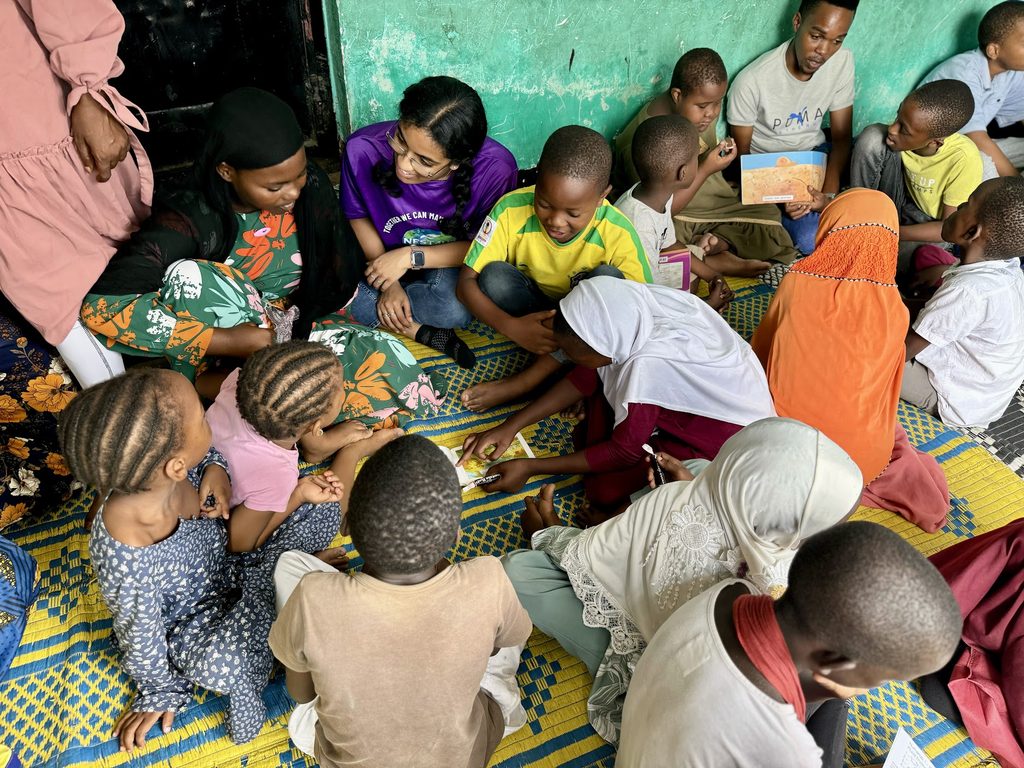
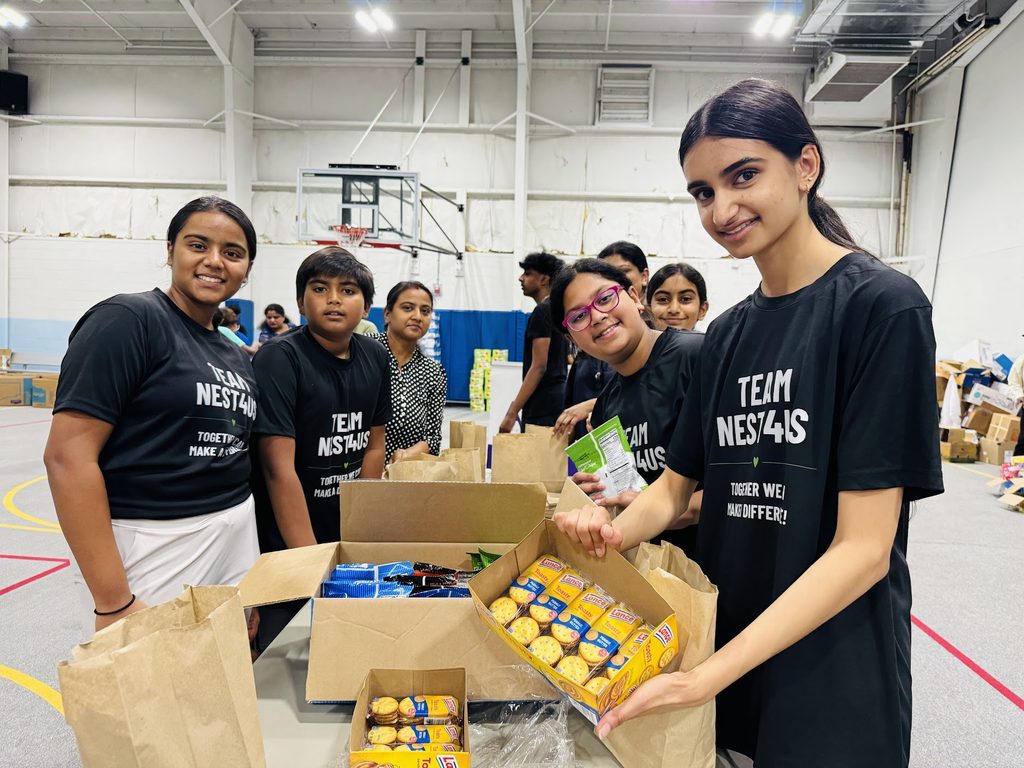
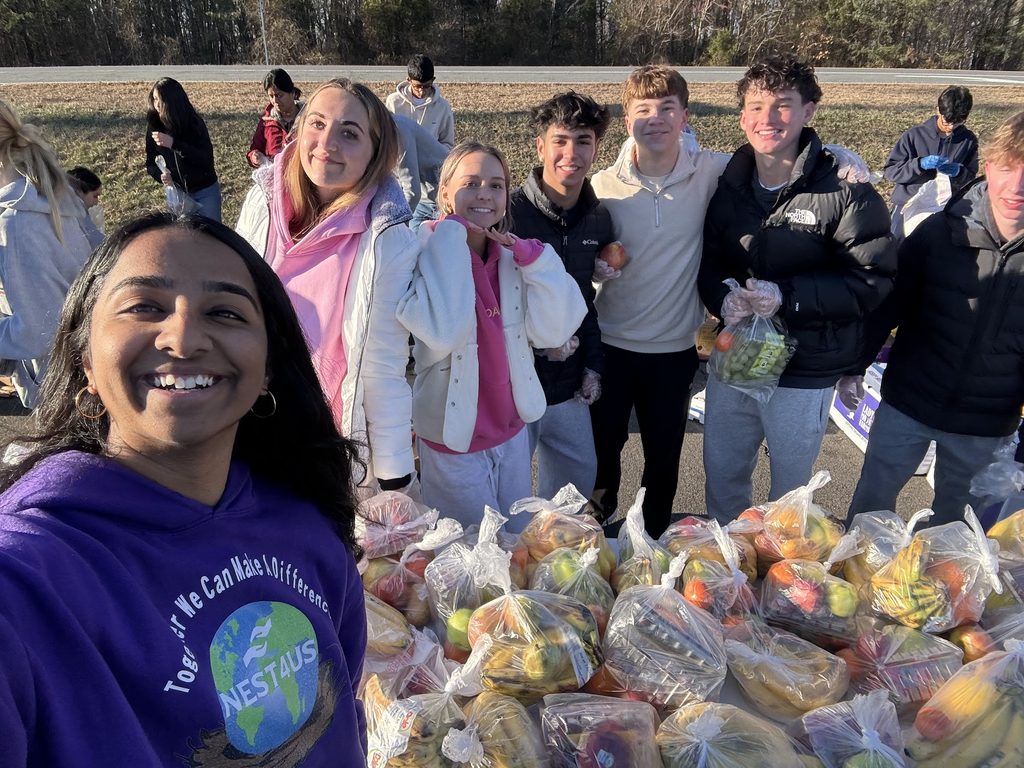
We’ve intentionally built NEST4US as intergenerational at its core: young people bring urgency, creativity, and firsthand perspective, while adults and institutions contribute experience, resources, and relationships. After all, the strongest work happens when neither is an afterthought—and that means young people are trusted not only to participate, but to plan, manage, communicate, solve problems, build partnerships, and own results.
However, this approach doesn’t mean leaving young people to navigate responsibility without support. Meaningful youth leadership requires guidance, accountability, resources, and adults who are willing to share knowledge without controlling every outcome. It also means creating environments in which young people can test ideas, learn from mistakes, build relationships, and take ownership of work that affects their communities.
The truth is, leadership doesn’t start at 30. It starts the moment someone cares enough to act. And if that’s at 10 or 13—then the world should make room, not excuses.
When we invest in young people, we’re not merely preparing them for the future. We’re strengthening the work being done now—work that depends on people who are observant enough to identify gaps, motivated enough to act, and courageous enough to imagine something better.
Because leadership isn’t about how many years you’ve lived—it’s about how much heart you bring to the work.
At NEST4US, we believe communities need every capable person at the table, especially those who are already willing to act. Not because youth leadership is a trend or a talking point, but because young people are already contributing, leading, and building solutions to the challenges around them.
We want a world where no young leader has to ask to be taken seriously. And until that changes, we’ll keep showing up. Louder, stronger, and unapologetically driven to ensure the next generation never has to ask to be taken seriously.
