Food has always been more than what’s on our plates.
Behind every meal is a story—of families navigating hunger with resilience, of friends quietly sacrificing culture and tradition to make ends meet, of neighbors carrying the daily uncertainty of where their next meal will come from. Our food systems don’t just feed communities; they reveal who we choose to nourish—and who we leave behind.
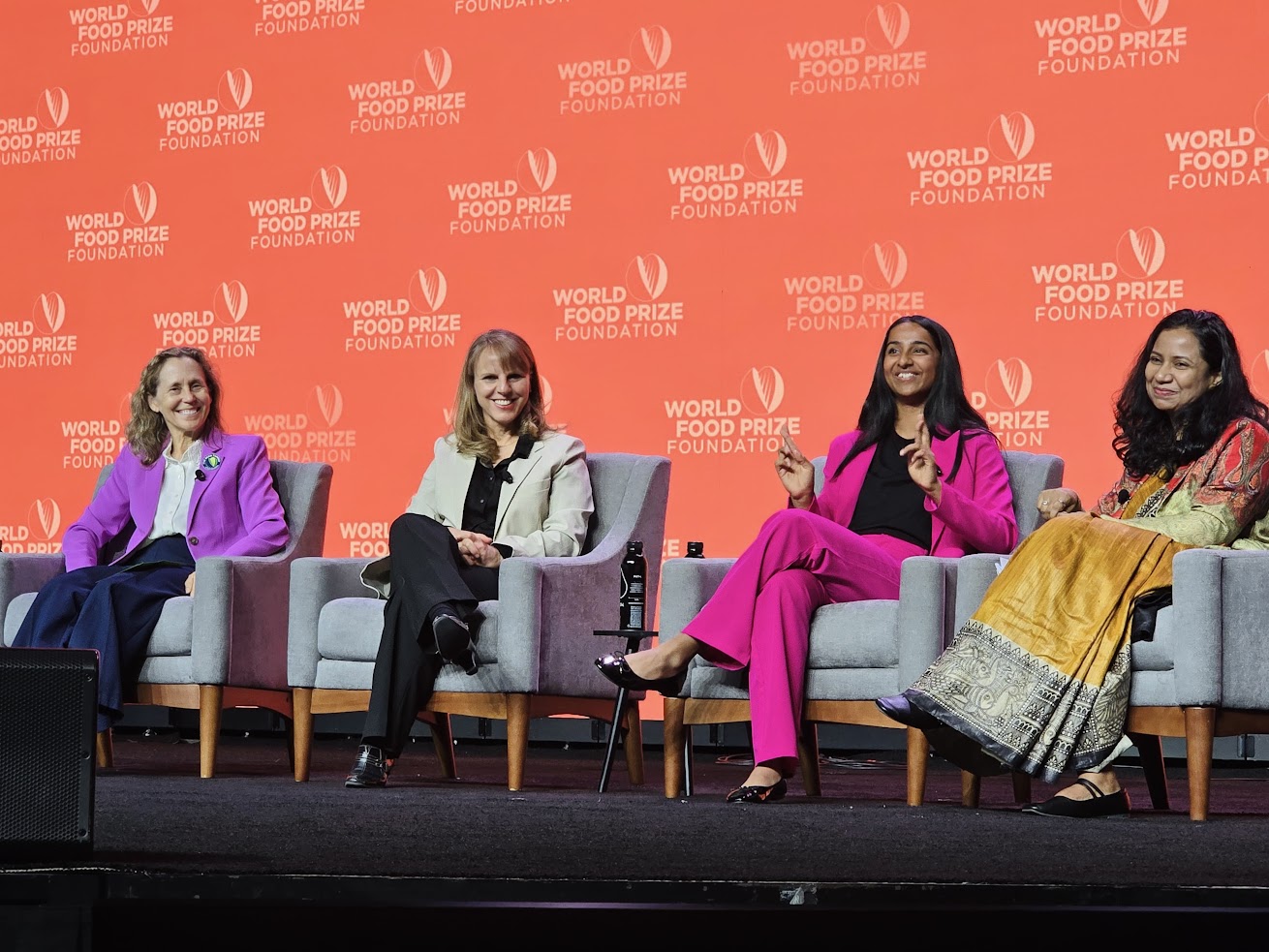
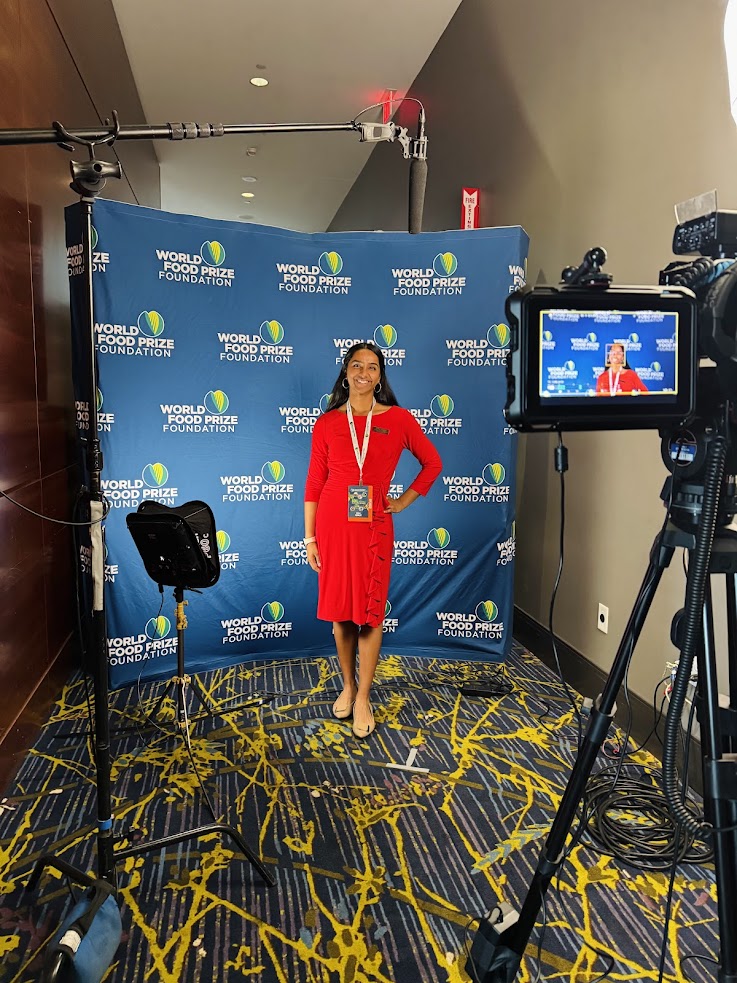
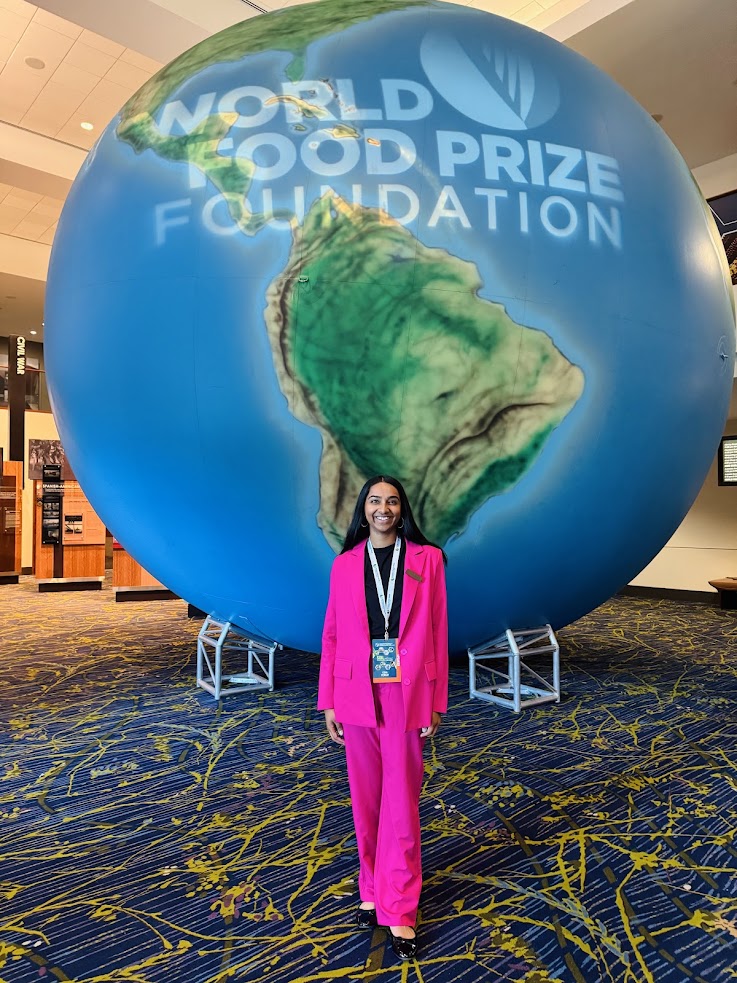
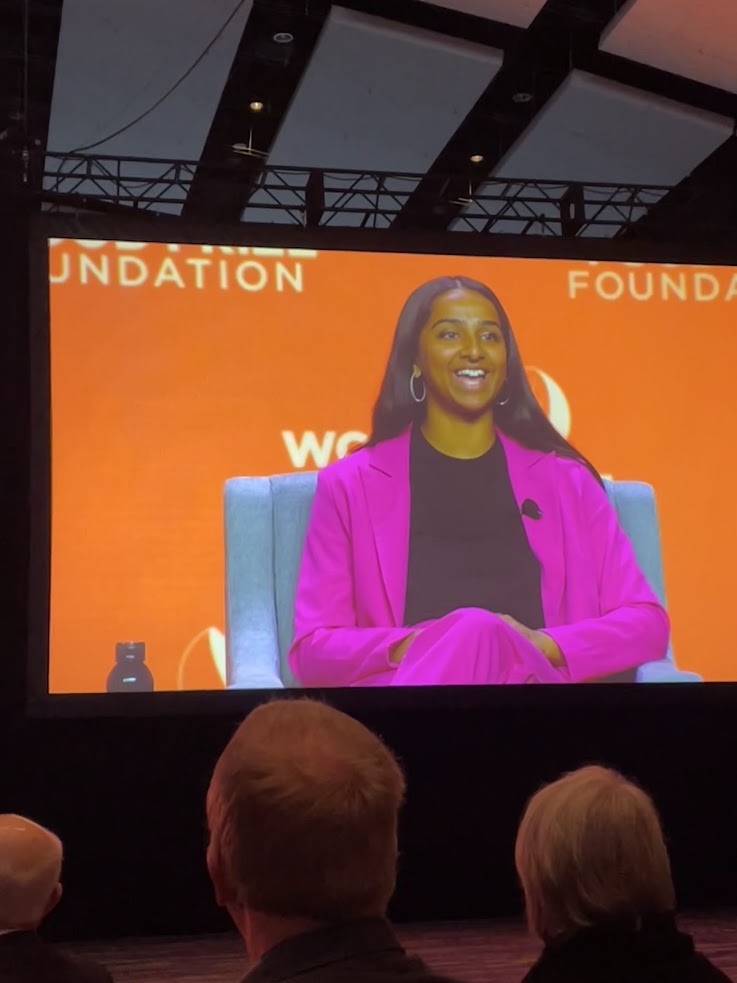
This truth was at the heart of the 2025 Norman E. Borlaug International Dialogue, hosted by the World Food Prize Foundation, where I had the honor of speaking on the mainstage as part of the panel “Outstanding in HER Field: Women Trailblazers Shaping the Future.” Landing in Des Moines, Iowa—my first time in the state—was more than a professional milestone. It was a powerful reminder of why NEST4US exists.
Sharing the stage with women leaders shaping the future of food systems, climate resilience, and agricultural innovation was both humbling and energizing. Each speaker brought a different perspective, shaped by geography, lived experience, and discipline, but all echoed the same truth: transformation happens when we center people, not just policy.
At NEST4US, we’ve seen this firsthand. We’ve witnessed how youth-led, community-driven action can divert millions of pounds of food from landfills, reduce emissions, and restore dignity to households facing food insecurity. My remarks reflected that lived reality—that food justice is not an abstract concept or a line item in a budget. It’s the parent choosing between groceries and rent. It’s the student volunteering after school because they know what it feels like to be hungry. It’s the power of young people refusing to accept broken systems as inevitable.
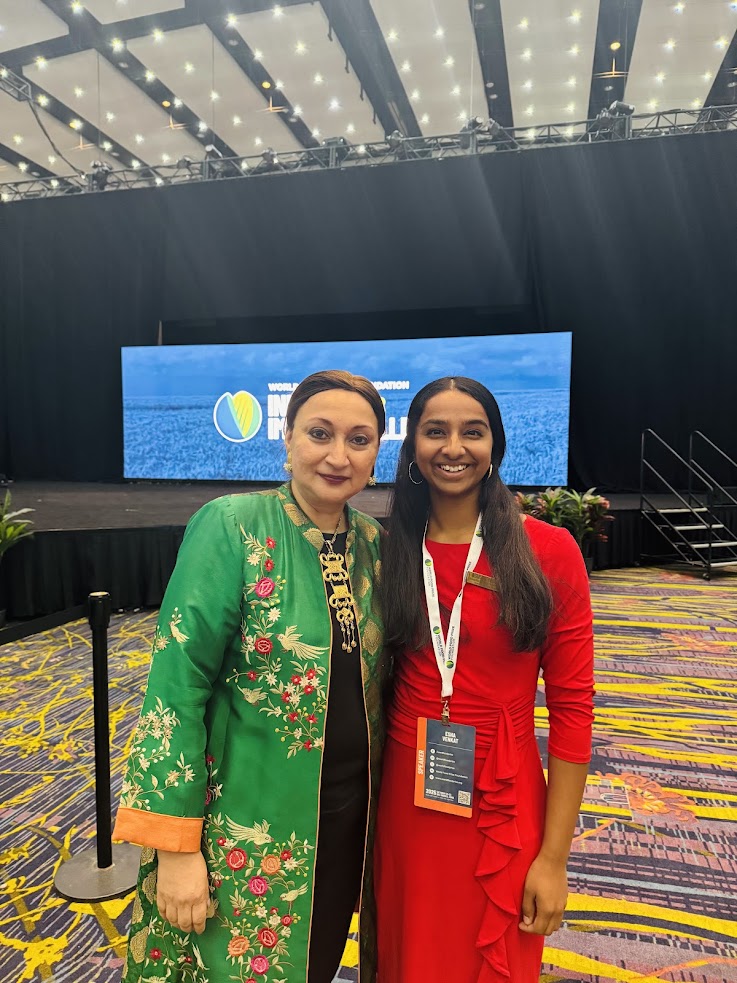
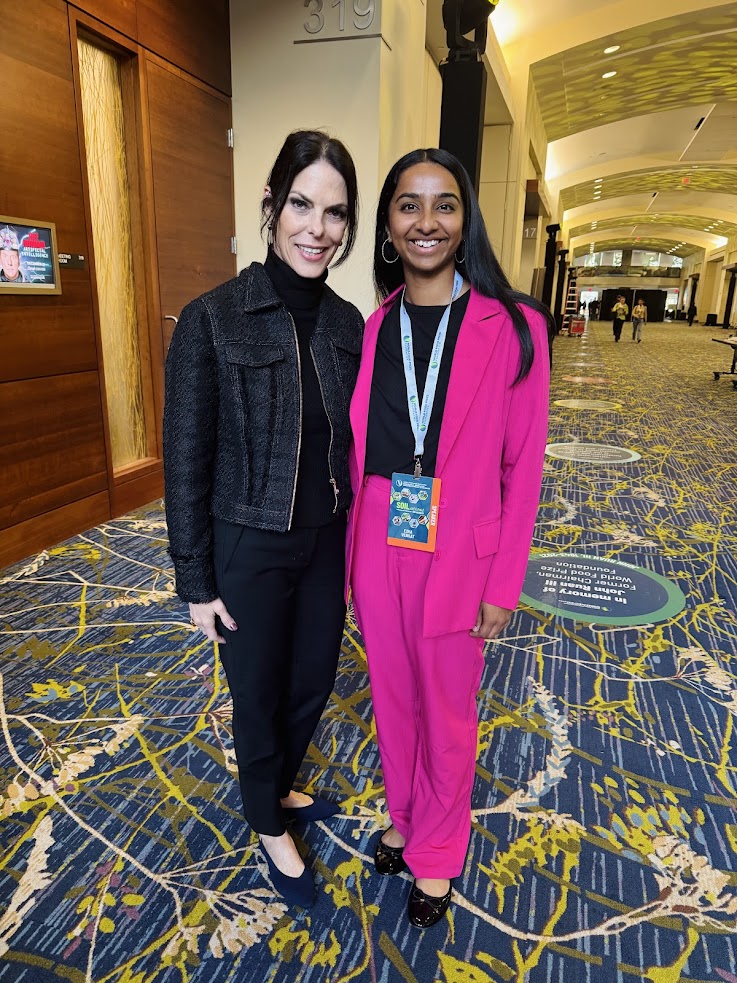
In addition to speaking on the mainstage, I had the privilege of serving as an expert judge for the World Food Prize Foundation’s Global Youth Institute. Listening to students from around the world present research and solutions addressing food security, sustainability, and agricultural challenges was both inspiring and grounding. Their ideas were bold, thoughtful, and rooted in a deep sense of responsibility for the future they are inheriting. Being able to contribute my own lived and professional experience by offering feedback, encouragement, and varying perspectives was a reminder that mentorship is not a one-way exchange. The next generation is already leading with clarity, urgency, and compassion, and their work reaffirmed my belief that meaningful change is not only possible, but already underway.
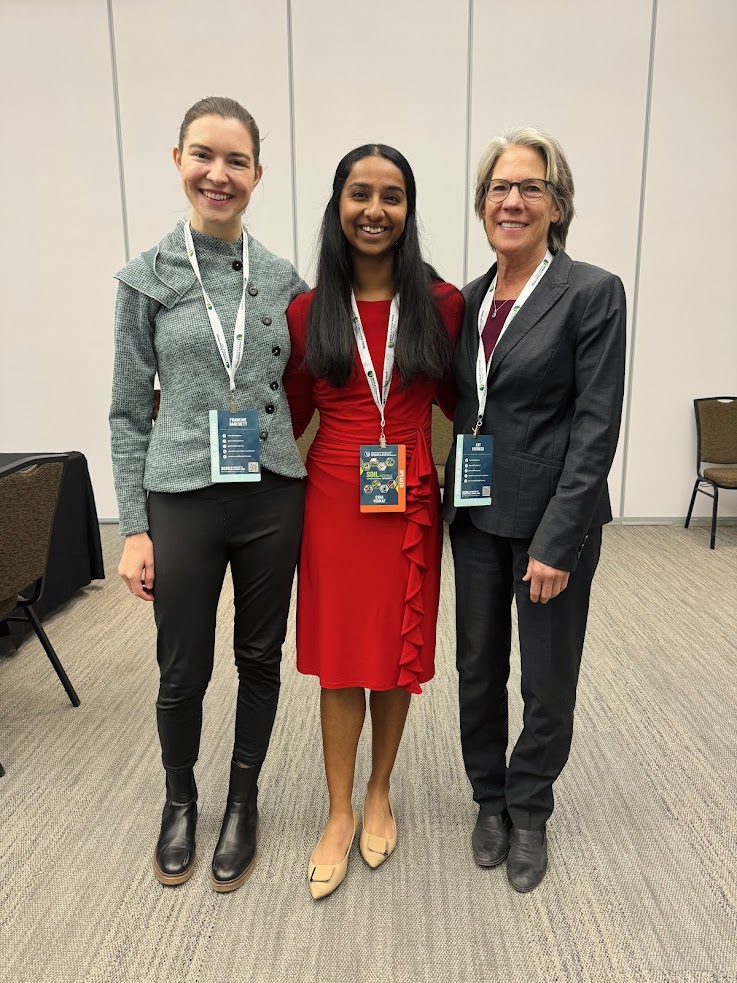
The Borlaug Dialogue reminded me that global change doesn’t start in isolation—it starts when we refuse to look away, when we listen to stories across borders and generations, and when we build systems rooted in compassion, equity, and collaboration.
As one of the youngest speakers at this year’s Dialogue, I represented something larger than myself: the growing movement of young leaders who are not waiting for permission to lead. I am deeply grateful to the World Food Prize Foundation for creating spaces that uplift youth voices and amplify diverse perspectives in the fight for food security and climate justice.
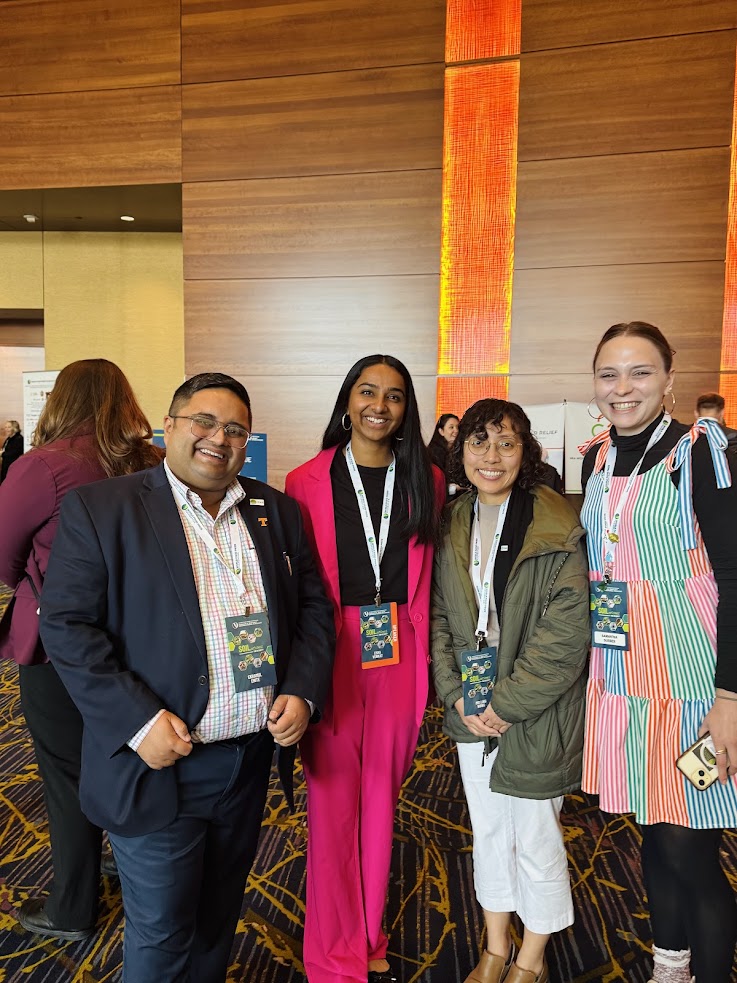
Because food justice isn’t just policy—it’s people. And now, more than ever, we must come together to ensure that every story is seen, every voice is heard, and every community is nourished.
—Esha Venkat, COO of NEST4US, 2025
