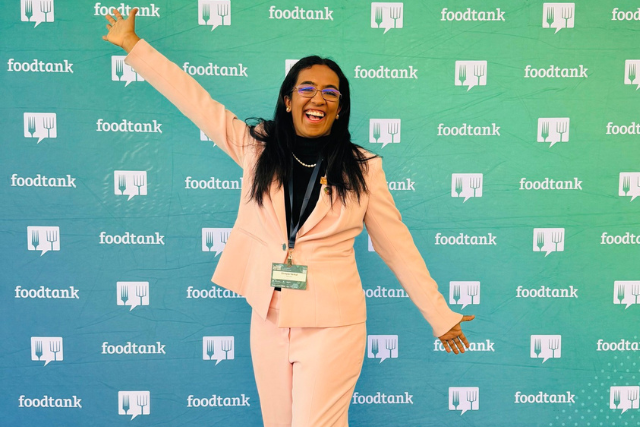
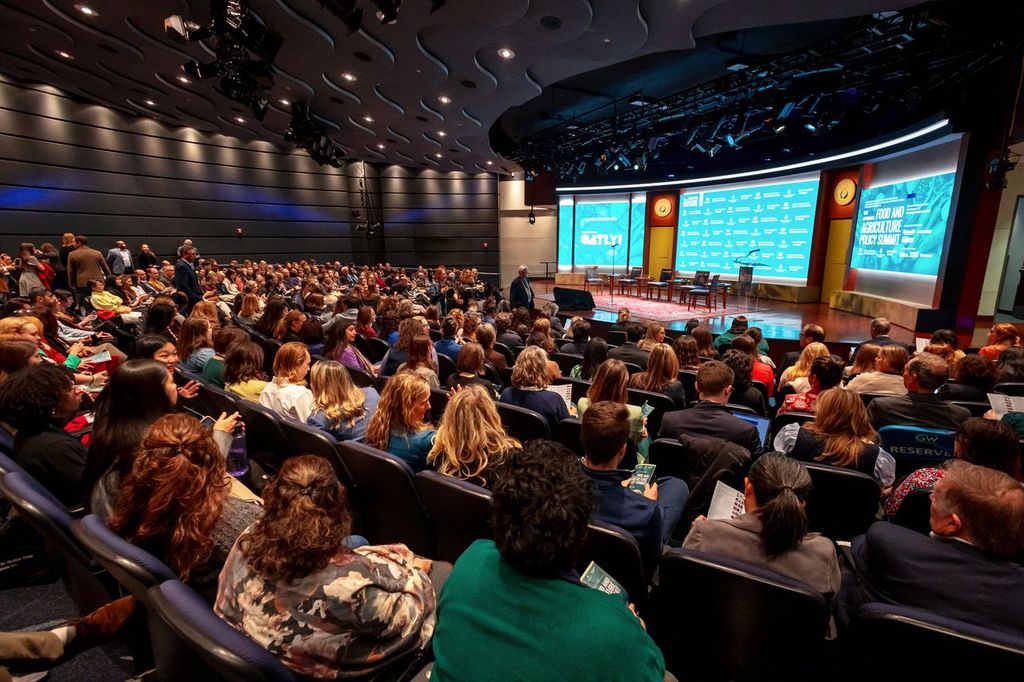
I’m grateful for the opportunity to attend the 1st Annual Food and Agriculture Policy Summit hosted by Food Tank, George Washington University’s Global Food Institute, and the Culinary Institute of America—a critical convening at a pivotal moment for American food systems.
I left the summit feeling both inspired and frustrated—because we KNOW what needs to be done. However, the knowledge-action gap persists not from lack of information, but from deep-rooted political inertia and lack of willpower.
Here’s what I’m still thinking about:
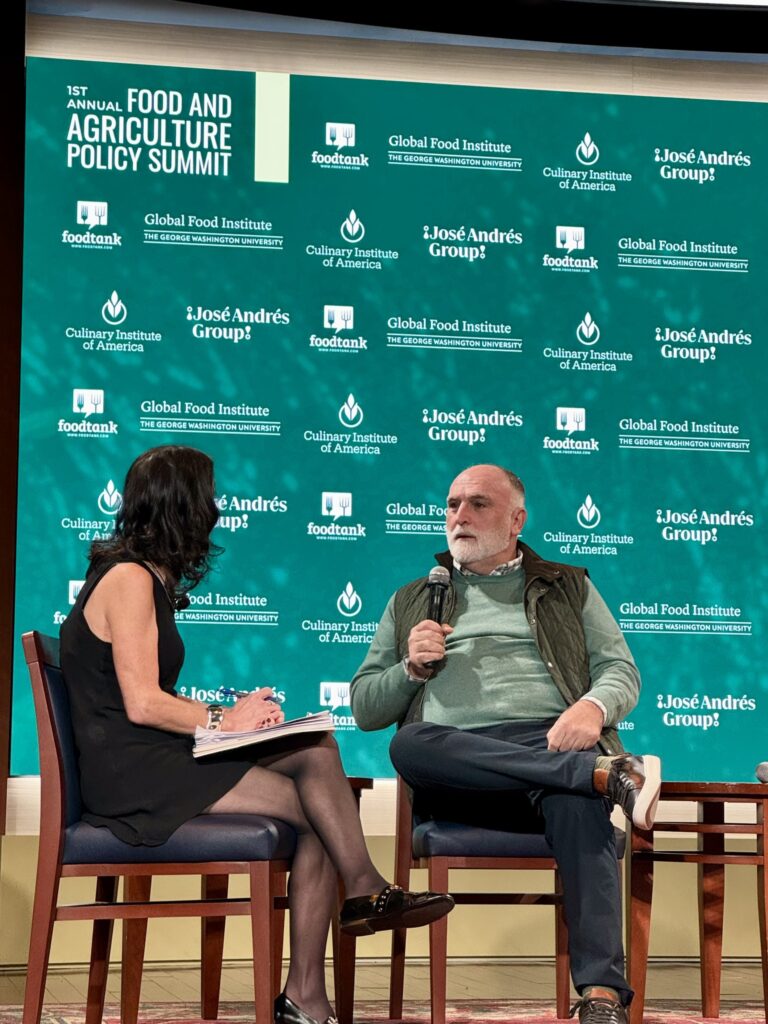
Food is a powerful lever for change—but only if we’re willing to pull it. Chef José Andrés compared food bills to recipes: they must evolve to meet current needs, not remain static documents serving outdated priorities. We must build resilience now and treat food as the universal right it should be.
Throughout the day, one message stood out: keep asking “why?”. I had recently delivered a keynote on the importance of finding your “why,” so this resonated deeply. My big “why’s?” : Why does hunger persist when we waste 40% of our food? Why do we keep managing problems instead of funding solutions? Why don’t we view food security as the exponential-return investment it is?
The answer became uncomfortably clear: Hunger is a political condition. Food security IS national security, yet we treat food policy as partisan instead of bipartisan. However, we can’t afford to work in silos anymore. After all, food intersects with health, climate, economic opportunity, and social equity.
And then there are the SNAP cuts. Let this sink in: $6 per person per day. $2.30 per meal. That’s what we’re telling millions of Americans their nourishment is worth. It’s not just unacceptable—it’s unconscionable.
Because here’s the thing: food is literally a lifeline. People can’t take their medications without food. Food security isn’t just about diet—it’s about the health of individuals and entire communities. Yet we continue funding extractive systems that make sickness profitable rather than investing in mechanisms that create health.
We also can’t say we’ll either fund food OR health OR housing OR education. We need holistic solutions that address root causes and equip communities to become self-sufficient—giving them the tools to turn their passion into action.
THIS is why we do what we do at NEST4US. This is why we’re scaling our community resource distributions to address these access disruptions head-on, leveraging people-powered solutions to redistribute millions of pounds of surplus food year-round to support food-insecure populations while promoting circularity. Learn more here!


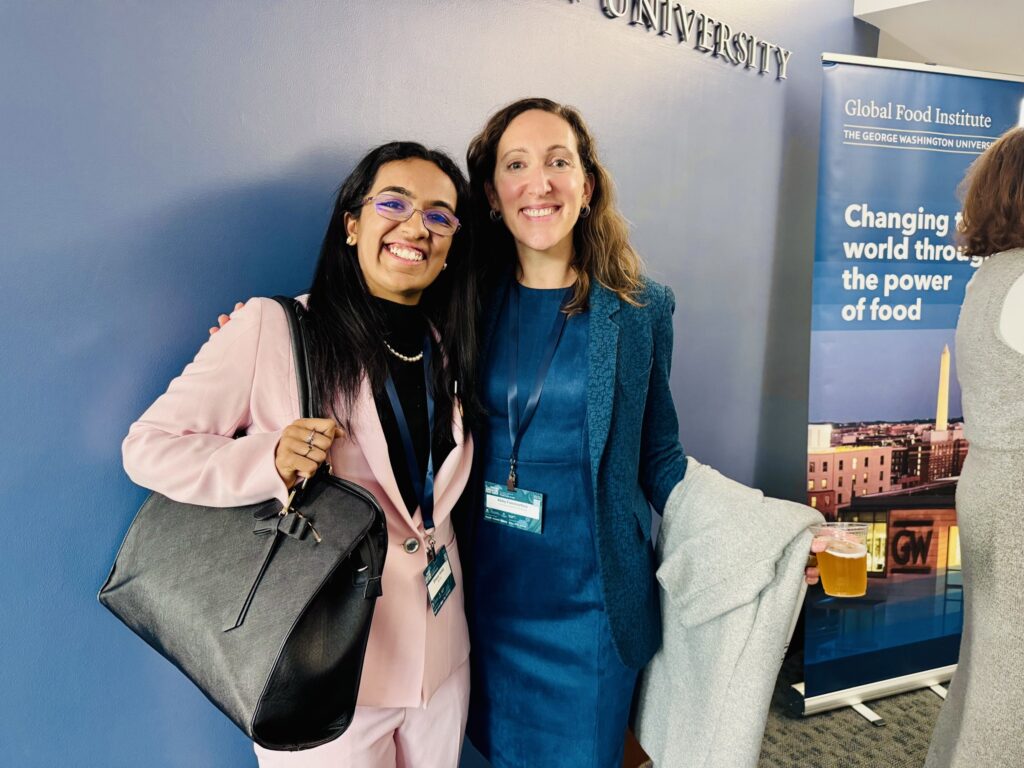


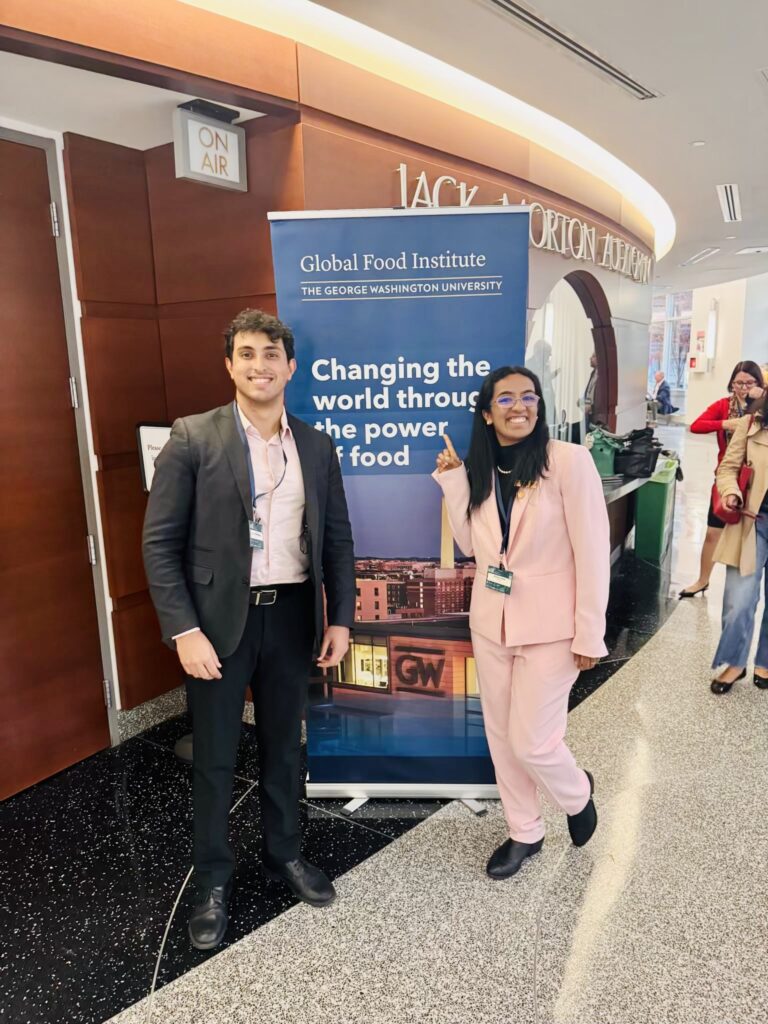

At the summit, I loved connecting with leaders across the agrifood systems space including Danielle Nierenberg (Food Tank), Roy Steiner (the Rockefeller Foundation), Purnima Menon (International Food Policy Research Institute), Ekin Birol (my Agrifood Systems & Economic Development professor at Georgetown University!), Stacey Dean (Global Food Institute at GW), Abby Fammartino (the Culinary Institute of America), and more, as well as reuniting with awesome changemaker friends like Nick Blumenthal who share my passion for creating a brighter food future at the intersection of policy, research, and advocacy.
As we move forward, I challenge us all to think about the following…and then act on it: How can we make food policy bipartisan, healthy food systems profitable, and investments both locally supportive and globally scalable?
Let’s keep building together!
